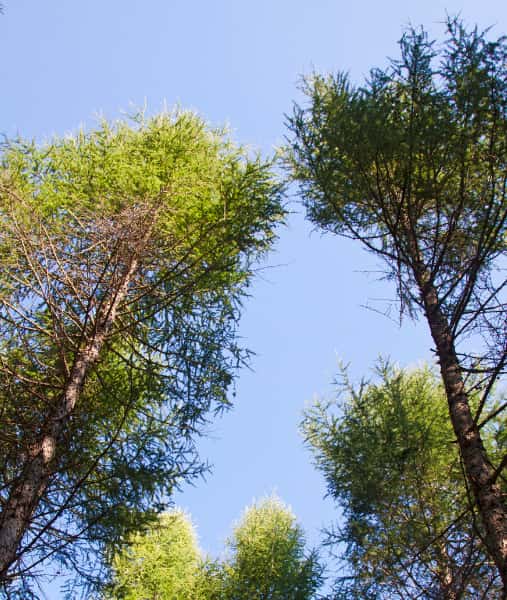
Trees bring natural beauty, shade and structure to gardens, but they need appropriate care to remain healthy and well-managed as they grow. Tree pruning and trimming can help remove damaged branches, maintain a balanced canopy and prevent unwanted growth from interfering with nearby buildings, paths or garden spaces.
For property owners in Ely, Cambridge, regular tree maintenance can help preserve the condition of trees while keeping outdoor spaces practical and attractive. The key is knowing when work is needed and using suitable techniques that support the tree’s natural growth rather than removing healthy branches unnecessarily.
Understanding Tree Pruning and Trimming
Tree pruning and trimming are often used interchangeably, but the work can serve different purposes. Pruning generally involves selectively removing branches to address health, structure or safety concerns. Trimming often focuses on managing the shape and spread of growth to maintain a suitable appearance or clearance.
The appropriate approach depends on the tree’s species, age, condition and position. Young trees may benefit from formative pruning to encourage a strong framework, while mature trees may need targeted work to remove deadwood or address branches that have become damaged or poorly positioned.
A considered approach is important because excessive cutting can weaken a tree, affect its natural shape and encourage vigorous regrowth. The aim should always be to meet a clear maintenance need while retaining as much healthy growth as possible.
How Regular Pruning Supports Tree Health
Removing Dead and Damaged Branches
Dead, broken or damaged branches can spoil a tree’s appearance and may become hazardous if they fall. Removing unsuitable growth can reduce this risk and help maintain a sound canopy.
Branches affected by damage or disease should be assessed carefully. Correct pruning cuts help minimise unnecessary injury to the remaining tree tissue, while indiscriminate cutting can create larger wounds and make recovery more difficult.
Improving Branch Structure
As trees develop, branches may cross, rub against one another or grow in directions that create an uneven canopy. Selective pruning can help address these issues and maintain a more balanced structure.
For younger trees, formative pruning can guide the development of well-spaced branches. For established trees, the focus is generally on maintaining suitable structure without making unnecessary changes to their natural form.
Managing Canopy Size and Spread
Some trees eventually grow beyond the space available in a garden. Branches may extend towards buildings, pathways, sheds or other areas where they cause inconvenience.
Appropriate trimming can manage this growth and maintain suitable clearance. However, reducing a canopy requires careful planning, as cutting back too heavily may stress the tree and lead to excessive regrowth. The method used should reflect the tree’s species, condition and natural growth pattern.
Allowing Better Light Into the Garden
A dense canopy can reduce the amount of daylight reaching lawns, planting beds and outdoor seating areas. Selective pruning may improve light penetration while preserving the tree’s overall form.
Removing too much foliage, however, can affect the tree’s ability to produce energy. A professional assessment helps determine whether thinning or another pruning technique is appropriate for the tree and its surroundings.
When Is the Best Time to Prune Trees?
The best time to prune depends on the species, the purpose of the work and the tree’s condition. Some trees are commonly pruned during dormancy, while others require different timing to protect flowering, fruit production or healthy development.
Pruning at the wrong time can remove developing flowers or place unnecessary stress on certain species. Dead or broken branches that present an immediate concern may need attention regardless of the season.
It is also important to consider nesting birds and other wildlife before beginning tree work. If you are unsure when a tree should be pruned, a professional tree surgeon can recommend an appropriate approach based on its individual requirements.
Signs Your Trees May Need Professional Attention
Trees do not always need regular cutting simply because they have grown larger. However, certain signs indicate that an assessment may be useful:
- Dead, broken or hanging branches within the canopy.
- Branches rubbing against each other or growing in awkward directions.
- Growth interfering with buildings, paths or garden structures.
- An uneven canopy or excessive congestion.
- Visible dieback or unusual changes in the tree’s condition.
These signs do not automatically mean extensive pruning is necessary. Identifying the cause of the problem helps determine whether targeted pruning, further investigation or another form of tree care is most suitable.
Avoid attempting to remove large or high branches yourself, particularly where branches are close to buildings or overhead obstacles.
Why Professional Tree Surgery Matters
Incorrect pruning can damage a tree’s structure, leave poorly positioned cuts or encourage weak regrowth. Removing too much of the canopy can also reduce the tree’s ability to recover.
A professional tree surgeon can assess the tree, identify branches that require attention and select techniques suited to its species and condition. This helps ensure that the work is proportionate to the maintenance need and supports the tree’s long-term health.
For homeowners in Ely, Cambridge, professional tree care can be particularly useful when trees have become overgrown, show signs of damage or are growing close to property boundaries and garden structures.
Tree Pruning and Trimming in Ely, Cambridge
Every tree has different maintenance requirements, so pruning should be planned around its growth pattern, condition and surroundings. Whether the goal is removing damaged branches, managing canopy spread or improving the tree’s structure, a careful assessment helps achieve an appropriate result.
Ely Tree Surgeons can help property owners in Ely, Cambridge, assess their trees and arrange suitable pruning and trimming services to maintain healthy growth and well-managed outdoor spaces.
Conclusion
Tree pruning and trimming help maintain healthy growth, remove damaged branches and manage trees as they develop. The best results come from using appropriate techniques, choosing suitable timing and avoiding unnecessary removal of healthy foliage.
If your trees need attention or you would like professional advice on maintaining their condition, contact Ely Tree Surgeons to discuss your requirements and arrange an assessment in Ely, Cambridge.
Call us on: 01353 880 893
Click here to find out more about Ely Tree Surgeons
Click here to complete our contact form and see how we can help with your tree needs.